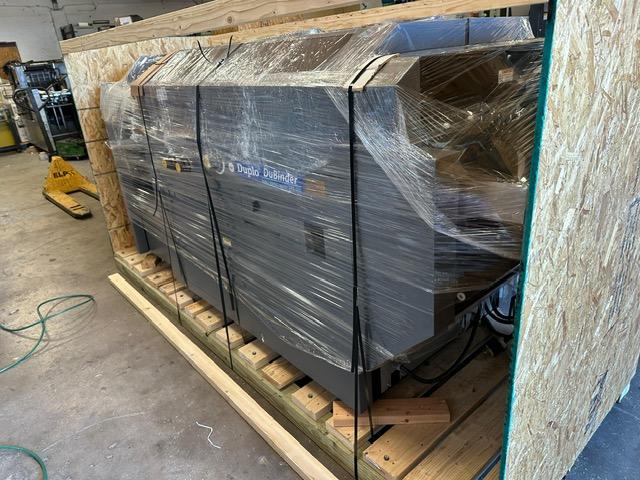
Businesses can streamline logistics and minimise damage by reducing shipping expenses. Using customised crating solutions for oversized, valuable items is an effective way to save money, reduce shipping costs, minimise damage, preserve goods, and streamline logistics.
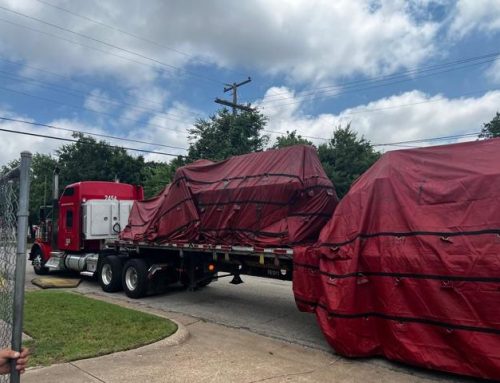
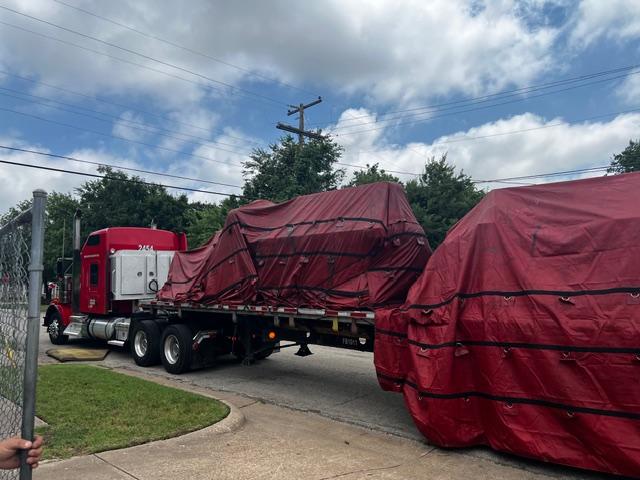
Shipping oversized cargo presents challenges for heavy equipment shipping companies. The transportation of heavy equipment requires proper planning, since the cargo’s dimensions are not pre-specified to fit standard packaging.
Challenges in transporting heavy items
- Large items have limited transportation options because only a few shipping companies have the equipment and expertise to handle them.
- Packaging and shipping heavy equipment safely is a complex task and largely depends on its fragility and size. High-value items need to be protected during transit, or else shipping errors can lead to significant losses. For this, specialised techniques, customized packaging materials, and adherence to rules and regulations are mandatory.
- Transportation of large, oversized cargo is subject to rules, regulations, and compliance requirements. The companies do not need extended or delayed transit times because they lead to deficits and reputational shortfalls. Oversized goods require permits, and transportation laws must be adhered to at all costs as part of crating and shipping solutions for heavy equipment, or else they can result in heavy fines, losses, and delivery delays.
- Route planning is another challenge because large cargo needs space and height to be transported. Narrow roads, cramped, restricted areas, and low bridges can create complexities, but these can be navigated with route planning.
Transporting oversized equipment is complex because large goods are easily damaged due to their awkward size, and it is important to secure the load well during shipping to minimize risks.
How to prepare large cargo for shipment?
Oversized equipment shipping can be very problematic due to its large scale and heavy weight, but when managed effectively, it can greatly improve business outcomes and customer confidence. Manufacturers focus on delivering large inventories of industrial machinery safely and cost-effectively, on time, ensuring smooth operations to meet high standards of customer satisfaction.
Identifying and understanding the equipment that needs to be carried, its limitations, and sizes are fundamental to transportation. Based on this:
- Wide-load permissions may be required
- Obtain height permits
- Requires clearance checks
- Special trailers may be needed
- Length permissions are required
- Requires permission for the overweight
Shipping for bulky items requires:
- The right packaging material to support the equipment’s weight and dimensions. Heavy items need strong, durable double-walled boxes that can provide stability and extra protection.
- Fragile items need to be protected from damage during transit and thus cushioned with foam sheets, bubble wrap, cushioning material, or packing peanuts, so they can withstand impact and absorb shocks.
- Using heavy-duty packing tape to seal the cargo from all sides, ensuring all openings are tightly sealed, and there is no movement, is a great idea to prevent the cargo from opening during transit.
- Many items need to be wrapped in protective material, such as bubble wrap or blankets, because they can’t be boxed. Furthermore, the boxes are strapped or taped with heavy-duty tape to keep them secure.
- Can the large equipment be dismantled and shipped in multiple packages? If so, consider dividing it into multiple packages and strapping each one tightly to prevent breakage or damage. Moreover, labelling and documenting the parts in the shipping documentation is very important so they can be assembled properly later, and there is no damage to the cargo!
- Obtaining compliance permissions and adhering to the regulations and rules of the authorities.
Heavy load management
Heavy equipment international shipping is managed in different ways, and the size of the load dictates the chosen approach.
- Heavy machinery and large loads require the lift-on/lift-off method for loading onto the vessel, using heavy-duty cranes. The large-capacity containers help transport the cargo load, but for the operation, it is important to have cranes and a specialised crew.
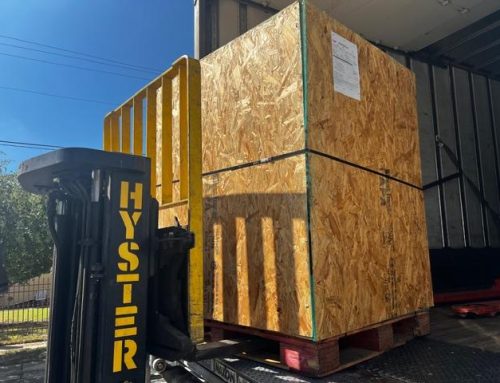
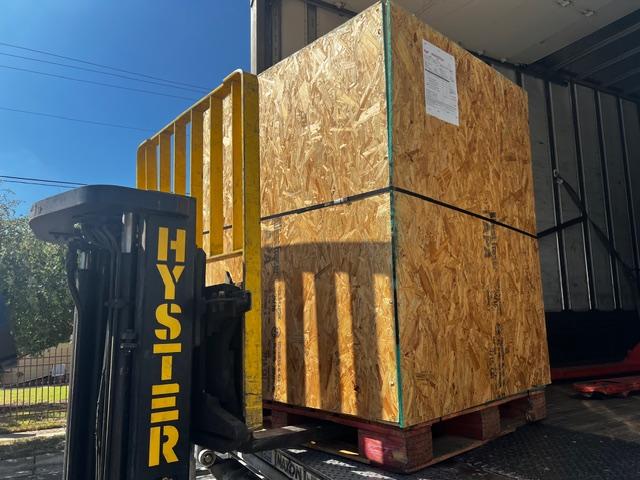
- Flat racks with support posts are ideal for oversized cargo and can be loaded from the sides or the top, making them perfect for large equipment. Forklifts are used to lift and load heavy cargo onto vehicles. But flat racks do not provide complete protection from risks because they are dependent on “only” their stability walls to shield the loads. A well-strapped and stabilised freight won’t warp and is better protected in customised crates.
- Heavy equipment is also transported in sturdy containers, making loading and unloading easy.
- Often, large items are rolled on and off with wheels, then stored aboard cars, trucks, buses, etc. The length and the breadth of the cargo are carefully evaluated to understand the freight capacity.
Why are customized crates and transportation planning important?
Because of their large size, dimensions, weight, and specialized construction, these machines cannot be easily loaded onto traditional-sized storage containers, pallets, and crates for transit. Glitches of any kind can result in expensive losses. These heavy loads, such as excavators, bulldozers, lifts, and cranes, require more tailored handling and well-planned packaging solutions, which are provided by custom crating and packaging services in Fort Worth.
Understanding custom crating for oversized cargo
The transportation of bulky goods such as huge machinery, oversized cargo, construction materials, and industrial equipment requires:
- Extensive knowledge of logistics,
- Strategic planning
- Careful implementation of the task
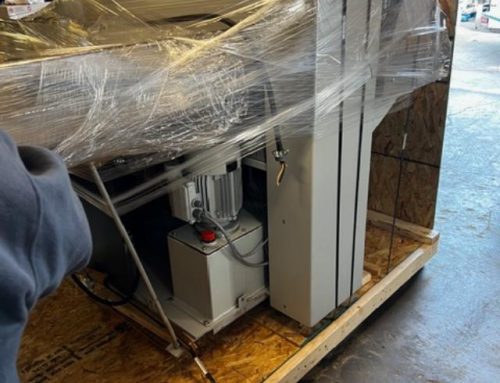
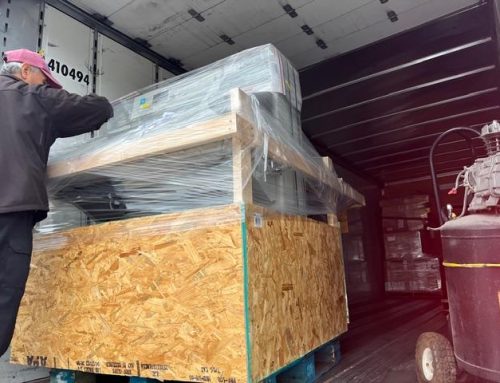
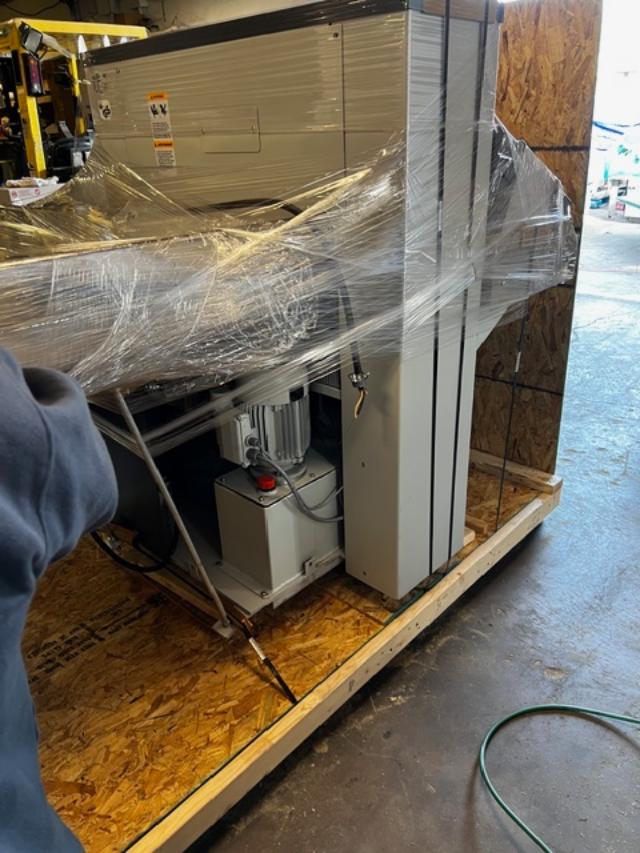
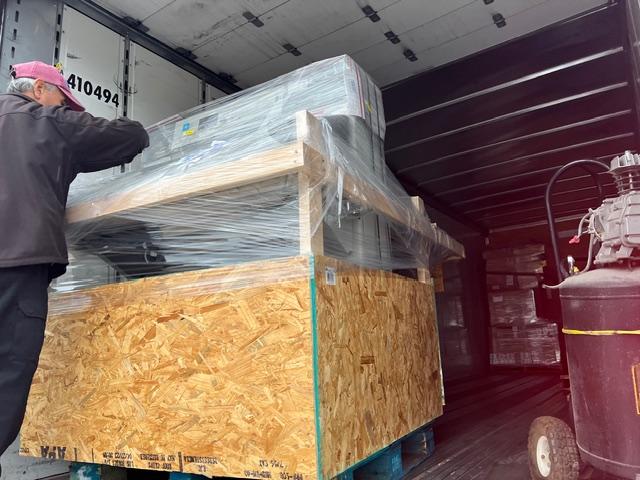
Custom crating is the creation of shipping crates through extensive, tailored design based on the item’s weight and dimensions. The crates are customised and engineered to provide extensive protection with a tightly packed fit during transit, helping prevent damage to heavy industrial and large-sized goods.
Conclusion
AA&D Crating understands the intricacies of heavy loads and has specialists who determine how to transport the heavy equipment. The dimensions and weight of the cargo, required density, mode of transportation or shipping method, type of crating, cost of shipping, insurance intricacies, packaging materials needed, mileage to be covered, broker fees, speed of delivery, and expenses to be incurred in the process are carefully calculated. Customized crating can accommodate the exceptional shape, weight, and size of the load.