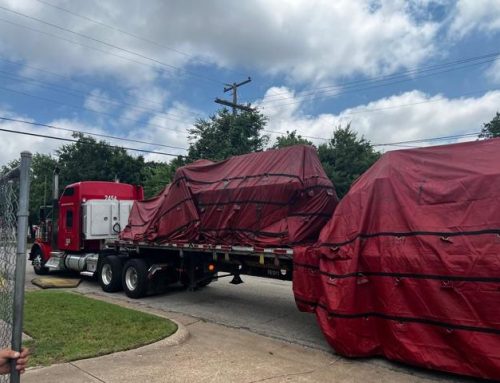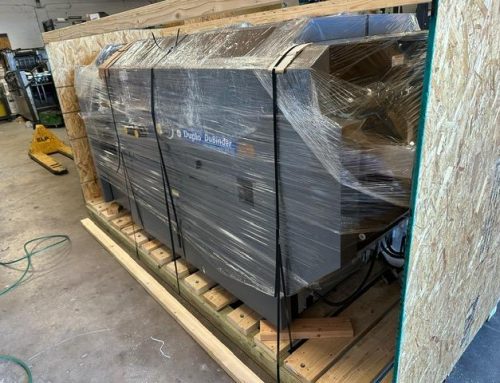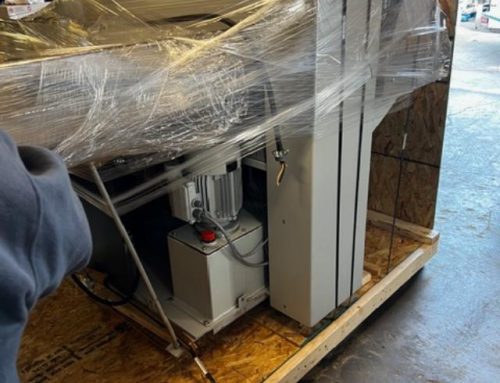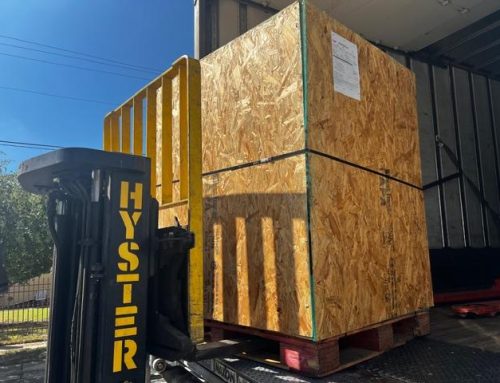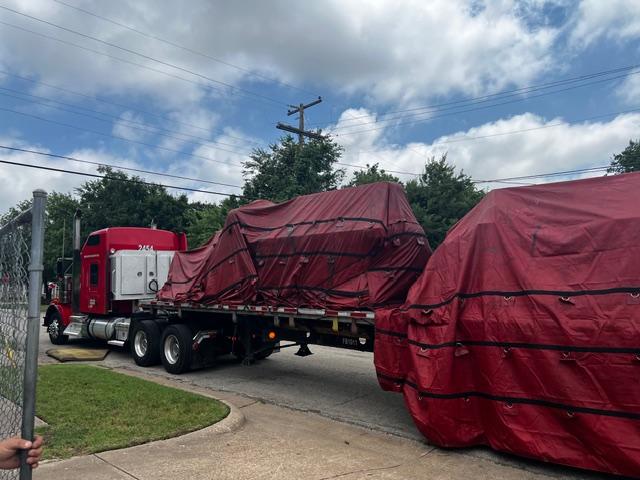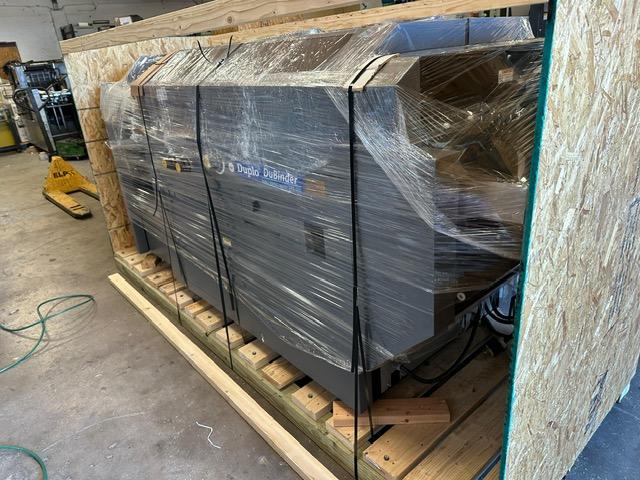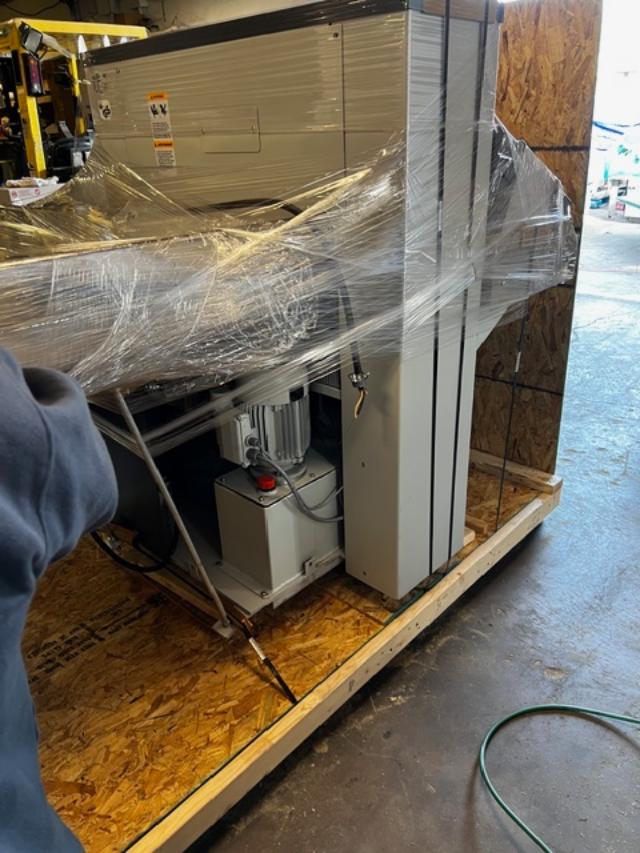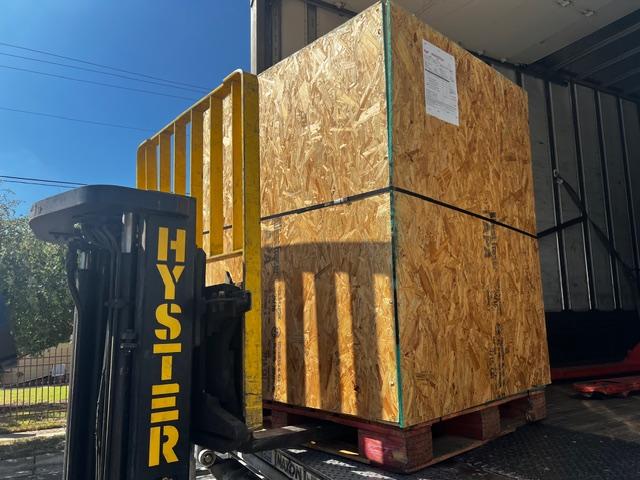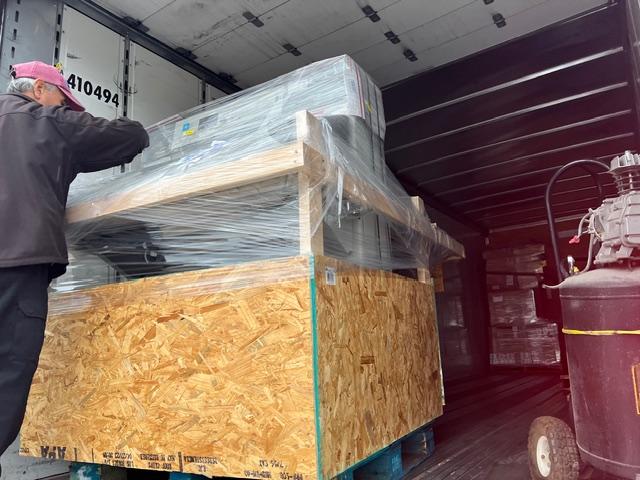
It’s not an easy job transporting high-value equipment and delicate components far and wide. Industrial crating is a specialized process in which heavy, fragile, or valuable goods are placed in well-designed crates so they reach their destination safely, without delay or damage. If these goods are taken to different states or countries, strict safety standards have to be followed for operational success.
Why are safety standards a priority in industrial crating?
Using custom-designed commercial crates that are built for durability, businesses can safely transport both heavy cargo and delicate, sensitive items. These crates are engineered to provide a secure environment with proper sealing, cushioning, and ventilation, ensuring maximum protection throughout the shipping process.
Crating failures are unacceptable
Industrial equipment crating failures pose serious trouble because they hint at compliance issues and costly remuneration. Products can be damaged beyond repair during transit, which poses a very expensive risk. So ensure that accidents and risks are reduced during handling and loading.
Proper handling of loads and appropriate storage:
Different lifting techniques, using appropriate equipment, should be used to shift boxes and crates safely and keep loads protected. Picking loads with bare hands and breaking their backs should not be an option for labourers, as this can lead to injuries.
Objects can be damaged if crates are overhanging or imbalanced, or if they are exposed to moisture, and load stability gets threatened. Thus, the crates need to be stacked evenly in a well-ventilated area to keep the load balanced, stable, and mold-free.
Protect crates from environmental upheaval
A poorly structured crate is a danger sign and can collapse under pressure, leading to accidents, damaged goods, and potential injuries. The crates can disintegrate due to high-moisture content, causing damage to the sensitive equipment encased inside.
Temperature fluctuations and humidity levels expose the equipment to moisture. Shipping environments can change at any time and are unpredictable. Vapor wraps, moisture barriers, desiccants, and sealed enclosures are necessary to control humidity. These measures and alternatives need to be considered in custom crating services for industrial shipping to protect loads against environmental risks.
International compliance, rules, and regulations for safe transportation
- Pest protection:
ISPM 15 compliance or International Standards for Phytosanitary Measures 15 compliance are compulsory measures that boxes and wooden crates must adhere to. The crates undergo standardized fumigation and heat treatments to prevent the growth of pests that can damage the boxes’ materials or the goods they hold.
- Safe transportation:
Moreover, compliance with state rules and regulations set by international shipping bodies helps ensure safe transportation. It is essential to follow these basics to earn customer trust and protect the brand’s reputation. Minor lapses can lead to significant loss, so maintain crate safety standards at all costs.
- Crate marking:
Marking the crates with the ISPM 15 mark is necessary because it indicates they are fit for transportation and have been adequately treated with the required ingredients that encourage safe travel.
Reliable crating for transportation
A slight movement, vibration resistance, or machinery shifting during transit can lead to operational failure and structural damage. Things can get serious if people are involved and an injury or accident occurs during loading or unloading. Reliable crating ensures the safety of items through all stages of transportation. Commercial crates are durable and custom-designed for durability and safe delivery.
To avoid such eventualities, reliable companies eliminate all uncertainties during transportation by adhering to pre-defined safety standards followed by industrial crating and packaging companies. Crates are the safeguard for different loads!
Industrial crating and packaging focuses on a comprehensive safety system that evaluates all risks during transit and works behind the scenes to ensure the goods, cargo, and people handling them stay safe and protected. Every state has regulations and guidelines related to packaging and shipping to prevent accidents. Key considerations are:
Engineered lumber for crate designing
Sturdy, strong crates are needed to transport goods from one place to another safely. Safe industrial crating depends on the foundation and material used to make the crate. Using high-quality engineered lumber and heat-treated wood increases strength and durability. The crate free from warps, cracks, and defects is strong and shows resistance to environmental upheaval and moisture. The sturdy wooden crates meet the global compliance regulations and stay free from pest infestation.
Safe crates, no damage
A safe crate needs an intelligent design. It must match the exact weight, dimensions, and fragility status of the equipment held within. This is especially important for businesses that depend on heavy equipment crating services for safe carriage. A minor miscalculation during transit can lead to disastrous consequences.
Remember, there is one motto: if there is no movement, there is no damage! Keeping this in mind, the crates are customized based on:
- Proper distribution of the load so that there are minimal chances of imbalance, tipping, and banging of the products against each other
- Sturdy, strong internal bracing and fasteners to securely lock the objects in place, preventing movement.
- Reinforced, sturdy joints are incorporated to ensure there is no movement so that the loads can withstand a certain degree of unavoidable pressure.
- Detailed labelling regarding handling, fragility, and upkeep or crate-care of the crates to guide at every stage.
- Thorough inspection is carried out by the staff at each stage for the safe transport of goods.
Conclusion
Maintaining safety standards is essential to ensure cargo and worker safety. Proper crate engineering is incomplete without provisions for load support. Moreover, weight needs to be distributed evenly to keep the load steady and strong. A reliable industrial crating company in Fort Worth creates crates with rounded corners and reinforced joints, which provide greater strength and support.
Crates need structural integrity, with internal bracing and blocking, so that loads don’t shift during travel. AA&D crating provides exclusive custom crating services in Fort Worth and ensures that sensitive electronics, heavyweight equipment, fine art, and industrial goods requiring protection reach their destinations safely and soundly. Our durable, reliable crate, equipped with cutting-edge technology, keeps items inside the crate safe throughout any mode or distance of transit, and we provide that!