Laboratory and scientific equipment are designed for precision. An assortment of microscopes, analytical balances, centrifuges, and spectrometers has delicate components that require precise calibration, but in the case of minor vibrations during transportation, the expensive instruments can get damaged.
Whether scientific equipment is being shipped to another research facility, medical devices are in transit, or laboratory relocation is under consideration, vibration damage has to be seriously considered and given top priority. Professionally approved medical equipment shipping methods help protect the sensitive instruments by using appropriate packaging solutions at every stage of travel, so that the equipment arrives at the destination in perfect working condition.
Is vibration a threat to scientific equipment?
Long-distance transit exposes the instruments to continuous vibrations and movement. Impacts can cause visible damage, but vibration causes gradual wear and tear that often goes unnoticed, but shows up as glitches when the equipment is installed and put to use.
Vibrations are the leading cause of :
- Damage in electrical circuits
- Misalignment of the sensitive optical system
- Loosening of internal components
- Changes in factory calibration
- Miscalculation and inaccurate measurement
- Micro fractures in ceramic and glass parts
High-value laboratory instruments need proper care to prevent damage due to vibrations. The delicate and fragile equipment cannot be just kept inside a sturdy box and set out for transportation; rather, it needs much more professional packaging expertise.
Planning logistics
Shipping lab equipment and planning logistic solutions for delicate shipments is a complex task, but when executed with precision, it results in smooth and efficient delivery. High-risk security coverage, secure chain-of-custody procedures, and tamper-proof seals become essential in some cases. Successful delivery depends on strict compliance with regulatory requirements and accurate measurement and documentation. Most importantly, any fallback in rules, regulations, approvals, measurements, goods evaluation, or data collection can disrupt the entire shipping process.
Customized crating for safety:
A strong, well-engineered, customised crate design tightly packs an immovable load when created exactly according to the size, weight, dimensions, and fragility status of the medical instruments held inside, resulting in safe transit.
A well-designed customised crate:
- Has structural integrity
- Tolerates the stress of handling, storage, and transportation
- Bears weight of contents
- Is made from high-quality wood
- Is free from rots, cracks, and knots
- Has rounded edges to avoid injuries and minimise accidents and injuries.
- Protects loose components with fasteners such as nuts, bolts, screws, etc and keeps protruding hardware in place.
Custom crates are shock absorbers
Custom-built crates are designed to perfection and feature shock absorbers to mitigate the impact of transit. The loads are tightly packed in thick waterproof packaging to shield the machinery at every stage.
- The crate’s structural integrity and transport challenges can be taken care of with durable materials
- Customized crates for custom fits prevent loads from shifting.
- Secure handling of crates
- ISPM 15 compliance and IPPC compliance for international wood packaging
- Proper labelling of crates using clear stickers like fragile etc.
Disconnection, labelling and compliance
Transit planning involves the disconnection and packaging of the components of the equipment. The operating system procedures and sensitive equipment need to be shut down, network cables labelled systematically, and then power cables disconnected by the experts at the equipment shipping companies. The packages need to be properly prepared, and then the shipment can be dispatched after carefully adhering to the rules, regulations, and compliance. Labelling can help in the identification of the equipment components after delivery, and then the whole system can be reinstalled when it reaches the destination.
Sensitive instruments need special packaging
Precision scientific instruments cannot be encased in bubble wrap and packed in standard boxes. Packaging fragile medical devices is a delicate and expert job that needs:
- Anti-static protection
- engineered cushioning materials,
- Reinforced containers
- moisture barriers
Even little movements can cause internal shifting; thus, the packaging has to be tailored specifically to each instrument and gadget to reduce the risk of damage caused by vibrations. The constant movement can cause serious damage, and reinforced containers can customise the laboratory instrument according to its weight, unique dimensions, and protection needs.
Professional custom packaging and shipping solutions are designed according to the instruments to be transported. They are built after careful evaluation of the characteristics of the load and its fragility status and employ:
- Specialised shock-absorbing materials,
- high-density foam inserts,
- Reinforced wooden crates
These help protect the load and create a snug and secure environment for transportation. Remember, preserving the integrity of delicate scientific equipment is essential, and this care has to be extended from pickup to final delivery.
Stabilise internal components
Laboratory instruments often contain sensitive optics, moving assemblies, and detachable accessories that need to be secured before any movement or packaging is done. An open space results in a “Play” that can cause damage to the equipment. Removing the fragile attachments, locking adjustable parts, protecting the glass components, and securing other sensitive elements according to the manufacturer’s recommendations can reduce the chances of internal damage. Factory calibration has to be maintained throughout transit, and for this, precautions need to be exercised at each stage.
Custom Crating protects high-value sensitive equipment
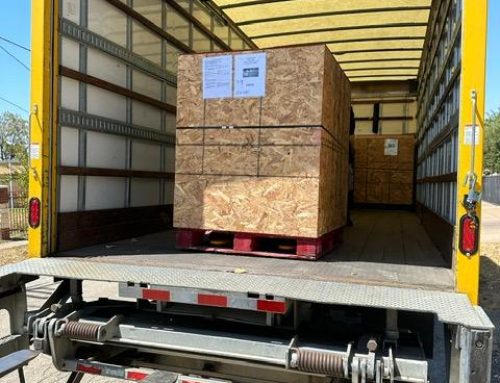
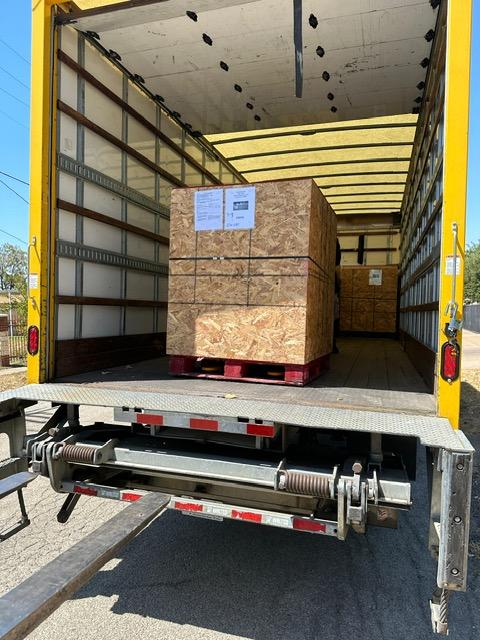
For sophisticated diagnostic and laboratory instruments, use specially designed and engineered custom crating. Each crate matches the structural requirements and size of the parts, preventing any unnecessary movement and also protecting the load from vibration, compression, impact, and environmental exposure. This protection is ideal for PCR systems, mass spectrometers, imaging devices, and other expensive high-value laboratory equipment.
Custom Pallet solutions provide stability
Large or heavy laboratory systems demand a solid and steady base to stay secure during the whole process of packaging and transportation. Similarly, pallets are also designed ingeniously with precise measurements to minimize movement of the load and to reduce the chances of structural damage during transit.
Specially engineered custom pallet solutions reduce stress on the load and distribute weight evenly, improving the forklift handling of the sensitive load by minimizing vibration transfer throughout the transit process. When this is combined with secure crating, a comprehensive protection system is created that works well for sensitive scientific instruments.
Conclusion
Scientific equipment is an asset for healthcare, research, and innovation, though it comes expensive. AA&D Crating minimizes transportation risks with expert packaging. Superior crating and pallet solutions protect the equipment and extend its operational lifespan by keeping the internal components safe. Logistic professionals transport fragile and sensitive laboratory instruments with careful handling, proper packaging, safe loading, unloading, and intact delivery at the destination.